

Overview
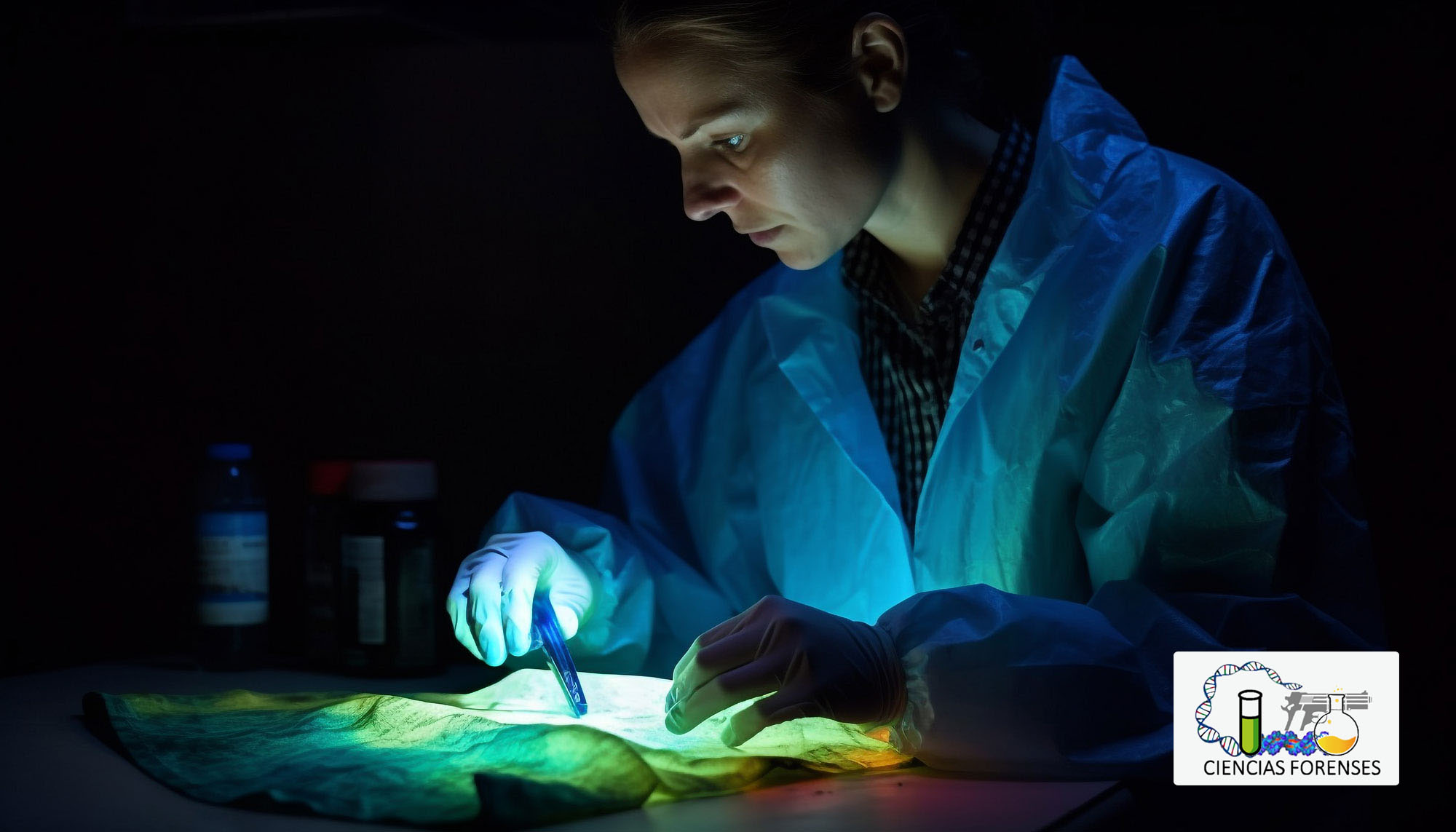
This program is designed to contribute to the academic preparation of forensic scientists and investigators who will become professionals dedicated to serving global justice by uncovering the truth in various criminal and legal investigation settings.Video: UPRCA Forensic Sciences Program
Mission
The mission of this program is to provide students with an excellent education that equips them with the skills necessary for careers as forensic scientists in criminalistics, toxicology, and forensic investigation laboratories, as well as in criminal and legal investigation agencies at the state, federal, and international levels.Goals and Objectives
Goal 1: Produce highly qualified graduates who will contribute their knowledge to society as forensic scientists
The student will be able to:
1. Apply concepts, disciplines, and principles of forensic science to criminal investigations.
2. Apply critical thinking and problem-solving skills to situations related to forensic science.
3. Distinguish between laboratory techniques for forensic investigation (i.e., chemical and spectroscopic analysis methods, microscopy, physical, comparative, and biotechnological methods, and the preparation of solutions/standards) and perform them following the quality control processes used in the discipline.
4. Explain the structure, functions, issues, and procedures of the Puerto Rico Criminal Justice System, and the applications of forensic science within this system.
5. Evaluate the circumstances and particularities of cases to determine the applicability of rules of evidence, including search and seizure rules, chain of custody, admissibility, and court procedures related to evidence.
6. Analyze crime scenes and apply the appropriate protocols for collecting, classifying, and labeling evidence.
7. Analyze, compare, and explain the chemical composition, origins, and significance of the most common types of trace evidence (ink, paint, fibers, explosives, ignitable liquids, glass, and biological evidence), correctly selecting and utilizing technological resources.
8. Identify evidence patterns at crime scenes by applying appropriate analytical techniques.
9. Select applicable techniques for the preservation, analysis, and characterization of evidence.
10. Argue and justify findings from crime scene investigations in written and oral reports.
11. Serve as a qualified expert witness in court, presenting evidence and conclusions from crime scene analyses.
12. Apply the code of ethics established by the American Academy of Forensic Sciences (AAFS) in their professional performance as forensic scientists.
13. Evaluate situations and issues related to professional practice in forensic science.
Goal 2: Become the local leader in undergraduate forensic science education
The program will be able to:
- Be recognized as the first Bachelor of Science program with a concentration in Forensic Science on the Island, aligned with the standards of the accrediting agency FEPAC, enabling the development of high-caliber forensic scientists with an emphasis on cultural values and ethics inherent to the field.
- Meet the standards of the Forensic Science Education Programs Accreditation Commission (FEPAC) to achieve program accreditation.
Goal 3: Promote the development of research in the field of forensic science and community service
The program will be able to:
- Encourage the application of new trends in forensic science through courses, research projects, and activities that benefit society, facilitating the participation of students, faculty, and alumni in workshops or internships in this field.
Goal 4: Disseminate knowledge of forensic science within the scientific community and the public
The program will be able to:
- Contribute to the discussion and analysis of topics related to forensic science that are of interest to the scientific community and the public through the organization and delivery of symposia, conferences, workshops, and other academic activities.
- Promote the development of collaborative projects with the Institute of Forensic Sciences and other agencies and institutions that advance forensic science education and benefit society.
Job Opportunities
Graduates will be prepared to work as forensic investigators, evidence technicians, trace evidence specialists, serologists, DNA analysts, toxicologists, controlled substances analysts, and firearms and fingerprint examiners, among other roles.
Faculty
Forensic Science Student Association (FSSA) UPR-CA
The Forensic Science Student Association (FSSA) at the University of Puerto Rico at Carolina is a student organization dedicated to fostering academic and professional development in forensic science. Our mission is to provide opportunities for academic and professional growth, promoting interest in forensic science through educational activities, workshops, and experiences that strengthen the theoretical and practical skills of our members. We aspire to promote excellence in forensic training, motivating students to pursue graduate studies and become leaders committed to science and justice in Puerto Rico.
FSSA Social Media
Follow us on social media to stay up-to-date on our activities and join our growing forensic community.